
Integrated marketing campaign.
An integrated marketing campaign is one idea carried by every piece, where each piece does a job the others can’t and hands something to the next. A hero film plus a slide of “other things” isn’t one.
Use it when the client is about to buy the film and let the rest die in production.
Straight Face
- The idea
- Asked “why a zero?”, you say “Good question.”, and the next question is about the beer.
- The phases
- Game night → The feed → The room → The hand
- The pieces
- The bar programme. On-trade, bars and bartenders. Put the line in a bartender’s mouth and the name in the order.
- The handoffs
- Cut a format and you lose reach; cut a handoff and the next piece has nothing to work with.
- What survives a cut
- If the budget drops by a third: the film and the can survive, the bar programme is the last thing to cut, and the KV and the toast go first.
- What the page can’t hold
- The bar programme has no owner in a team of three, and it’s the one asset performed by someone outside the company. Settle that before design.
- The name
- The question moves
Sample brand, made with Nutcracker
Pieces that hand off.
Most plans list a hero film, then its adaptations: one message spread across formats. Give each piece its own job and say what it hands to the next, so a client can see why cutting one breaks another.
The idea
One line above everything else. The page shows how an idea travels; it can’t supply one. No idea yet: stop here and get one.
Asked “why a zero?”, you say “Good question.”, and the next question is about the beer.
Buying nonalcoholic beer gives off the impression of having a drinking problem.
r/Showerthoughts · 6,526 votes The phases
When each part of the campaign runs, and what it must do there: the dates of a launch, or the moments people already go through. Pick one. A row that mixes stages and dates says neither.
Game night → The feed → The room → The hand
The pieces
Each piece names its channel and the one job it does, starting with a verb: prove, expose, reassure. Never “drive awareness”. A piece with no job is cut.
The bar programme. On-trade, bars and bartenders. Put the line in a bartender’s mouth and the name in the order.
The handoffs
Say what passes from one piece to the next: an audience, a line, a coupon, footage. A solid line is a handoff the next piece needs; a dotted one only helps. An arrow that carries nothing is deleted.
Cut a format and you lose reach; cut a handoff and the next piece has nothing to work with.
What survives a cut
Draw the one or two pieces the campaign can’t exist without bigger than the rest. Then the page answers what every client asks: what goes if the budget drops?
If the budget drops by a third: the film and the can survive, the bar programme is the last thing to cut, and the KV and the toast go first.
What the page can’t hold
Who owns each piece, how it will be measured, what depends on budget: a few plain lines under the page, not on it.
The bar programme has no owner in a team of three, and it’s the one asset performed by someone outside the company. Settle that before design.
The name
A title the client can retell to their boss. It names what the pieces do together.
The question moves.
Who made it
Don Schultz of Northwestern University, with Stanley Tannenbaum and Robert Lauterborn, named it in their 1993 book Integrated Marketing Communications. A task force of the 4A’s, the US agencies’ association, had started defining it in 1989: advertising, direct response, sales promotion and PR planned together instead of apart.
Integrated, 360 or omnichannel
Integrated, 360, Omnichannel: often used as one word, they ask for different things. A 360 campaign puts the idea in every channel. Omnichannel makes buying work the same in every channel. Integrated means the pieces work together: each does its job and hands something on.
Cut a third.
If the budget dropped by a third tomorrow, does the page say what survives, and what the survivors lose?
Three more before you show anyone
Name the handoff
Can you say what passes along every arrow? If not, delete the arrow.
Find the job
Does every piece have a job that starts with a verb? “Always-on social” is a channel, not a job.
Spot the big ones
Are one or two pieces clearly bigger than the rest? Boxes of one size mean nothing was decided.
Cross these out.
The film
Hero film for broadcast, plus a 60-second online cut for depth.One job: make the question famous in a night, and end on the can so the last frame is the product.
The 15s
A cutdown: “short-form adaptation, optimised for reach and frequency.”The piece that keeps working after the media money stops, and the only one a team of three can place repeatedly.
The key visual
Master KV plus a suite of adaptations across OOH, print, digital and social, with a consistent look.The film’s last shot turned into a still, so every poster is a frame people have already seen.
The bar programme
On-trade activation, POSM, branded glassware, sampling, bartender advocacy.The one place the line gets said out loud by someone who isn’t in the ad, and the only place your measure can happen.
The can
“Product as hero”, pack as media, possibly a limited edition.The answer. The zero is the face, so the can finishes the conversation the film starts.
The packshot
A clean e-commerce asset for retail listings.The same face at shelf size, so the shelf and the store page read as one object.
What it made.
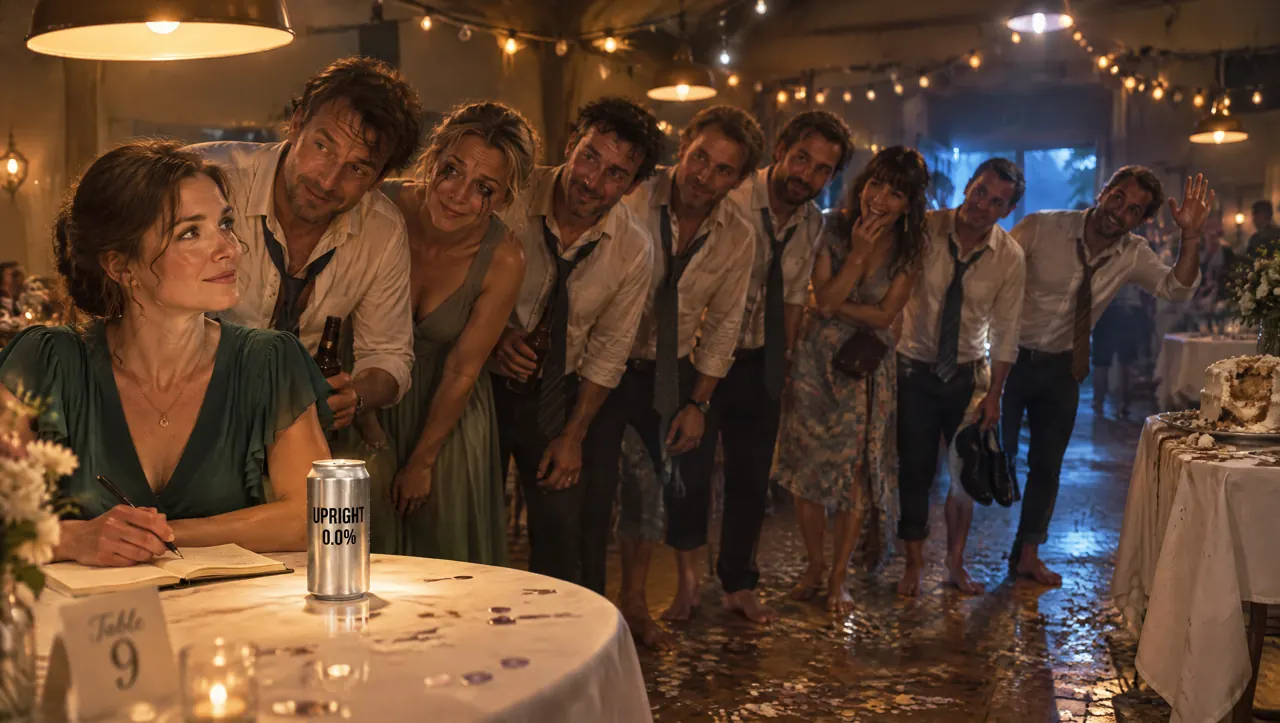
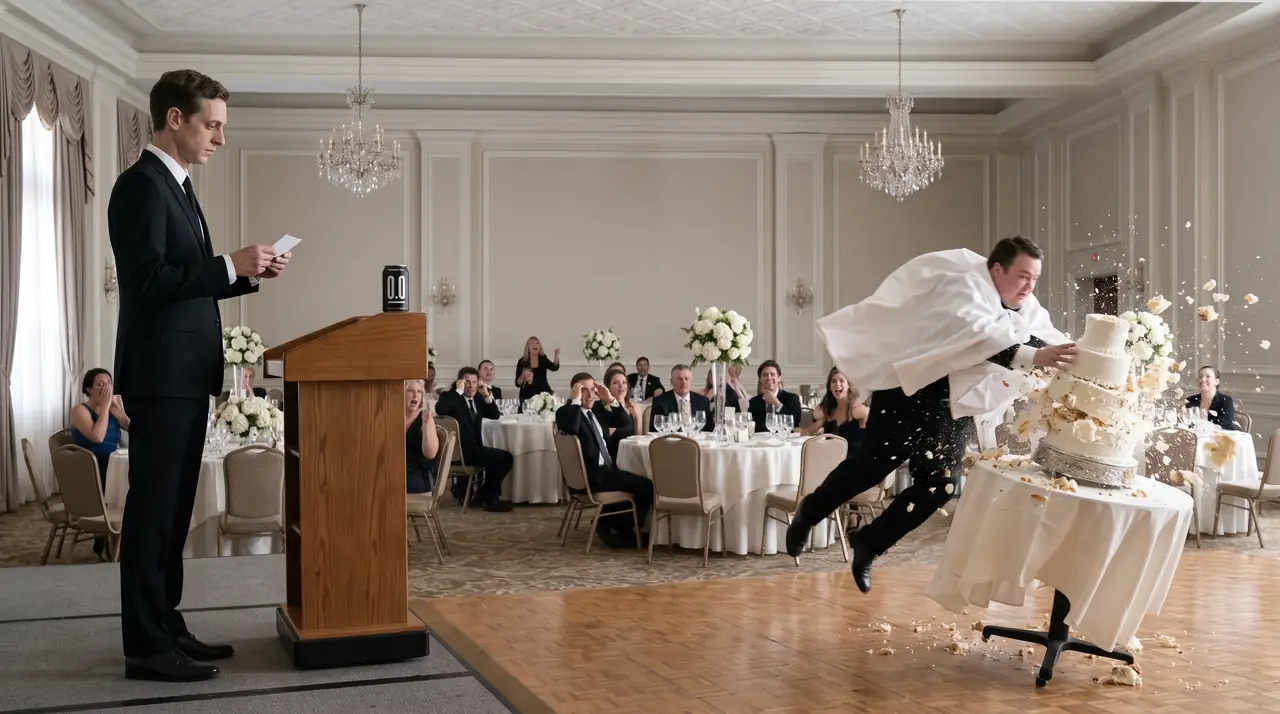
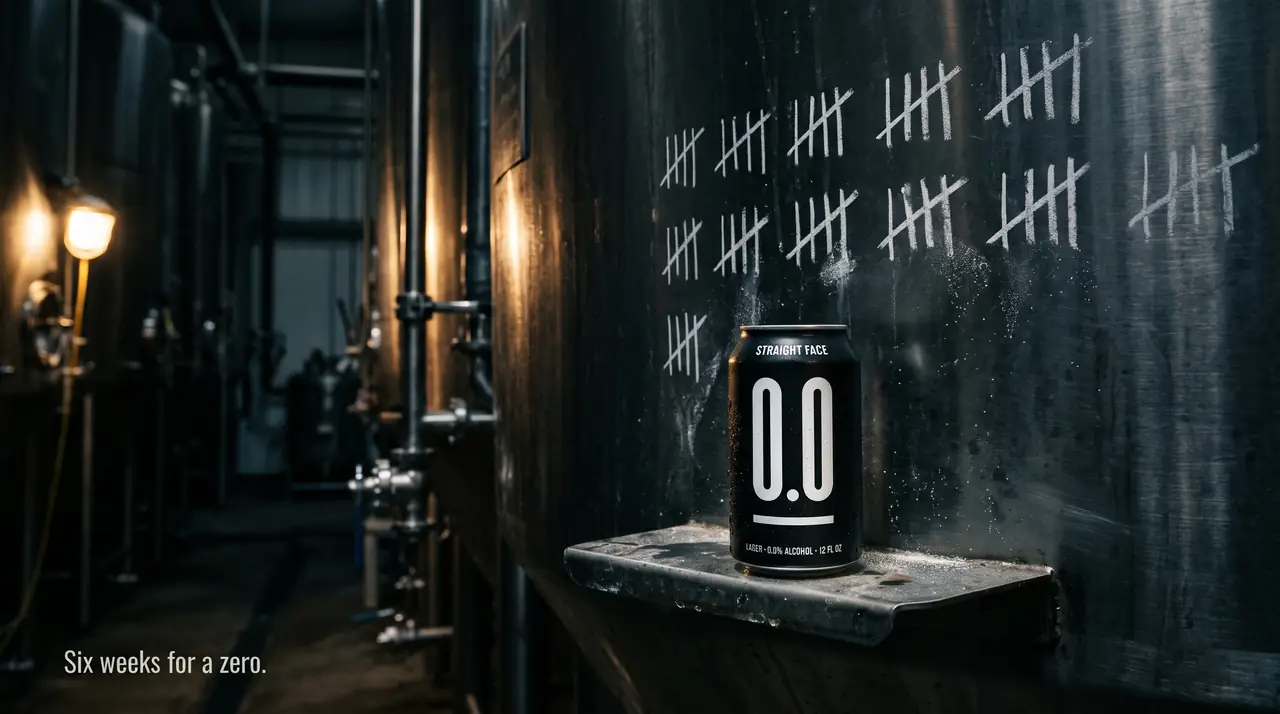
The same brand in Nutcracker: the Big Game spot and the key visuals.
Run it on your brand.
Give Nutcracker your idea, what is bought and the dates. It gives every piece a job, says what passes between them, and draws the page your client buys the whole set from. 7 days free.
Already in? Sign in