
Customer journey map.
A customer journey map is one page of how people come to buy and use something, and the two to four things that stop them on the way. Rows of thinking, feeling and touchpoints don’t make one.
Use it when every team has its own research and its own theory of where people drop out.
Straight Face
- Whose journey
- The one who stays sharp: from ‘not tonight’ to the second six-pack
- The phases
- Not tonight → At the shelf → The first can, same day → Out with people → The second six-pack
- What stops them
- I’ll pay bar money for a beer, not for a zero.
- The task
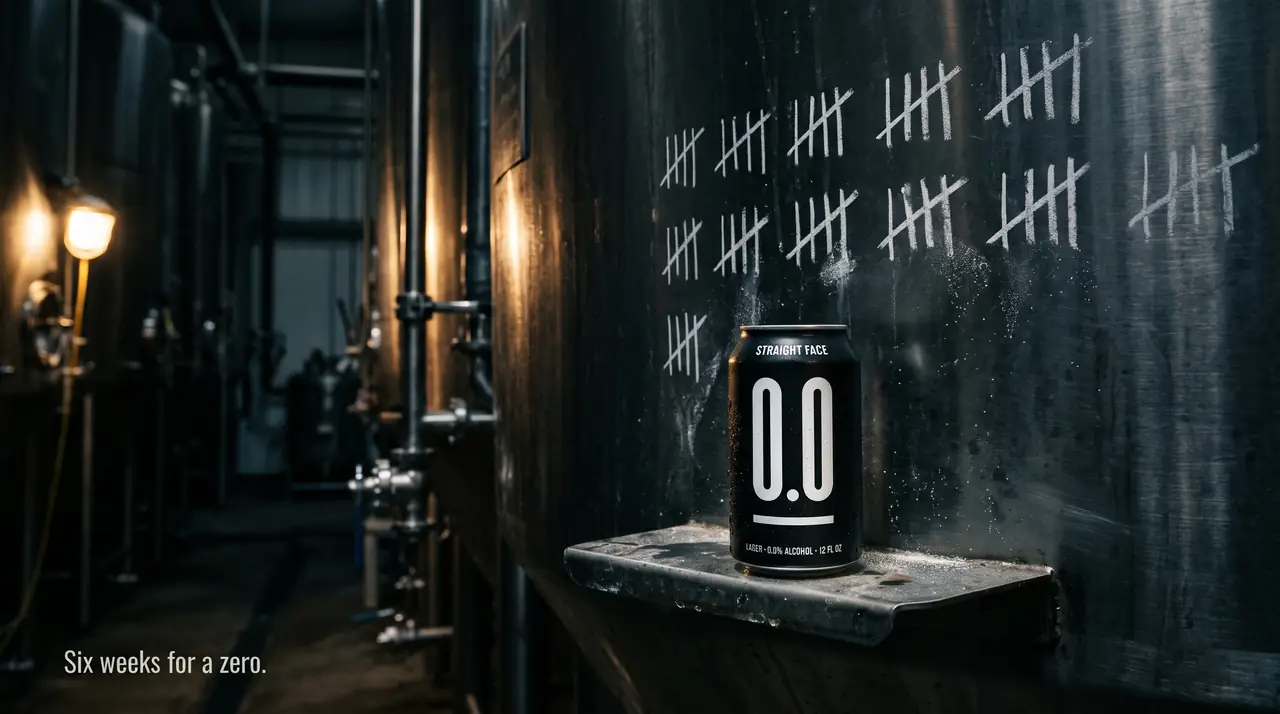
- Show what the six weeks pay for.
- The evidence
- 51% of non-alcoholic buyers bought more than once in 52 weeks, against 87% for beer, cider and FMBs. Price is the stated brake for 46% of existing buyers.
- What nobody knows
- What nobody has: a dataset that separates home alone from hosting, and US evidence on social discomfort.
- Back round
- The journey closes rather than ends, because the beer runs out and they are back at “not tonight” with a shelf in between.
Sample brand, made with Nutcracker
Their phases, not your funnel.
Templates start from awareness, consideration, purchase and loyalty: the business’s steps, with the same rows under each. Name the phases for what the person does, and end every phase you pick on what stops them and what to do about it.
Whose journey
The title names the person and the kind of journey. How long do they think before buying, and is the choice made on feeling or on reasons? A chocolate bar gets a day in the life; a car gets a path to purchase.
The one who stays sharp: from ‘not tonight’ to the second six-pack
The phases
Three to five, each named for what the person is doing, in their words. Nobody is “in awareness”. Two get skipped and hold the most: the moment that turns not caring into wanting, and the first weeks of use.
Not tonight → At the shelf → The first can, same day → Out with people → The second six-pack
What stops them
A sentence they would say, not your problem: “low consideration” is yours. Say whether it would stop them whatever the brand, or only stops them choosing yours.
I’ll pay bar money for a beer, not for a zero.
The task
One job for communication at that moment, starting with a verb, above any format or channel. Keep two to four barriers: one message can’t answer them all.
Show what the six weeks pay for.
The evidence
The number or the quote that shows it, and where it came from. Where the data has the share of people lost at a step, set it on that phase at display size.
51% of non-alcoholic buyers bought more than once in 52 weeks, against 87% for beer, cider and FMBs. Price is the stated brake for 46% of existing buyers.
Buying nonalcoholic beer gives off the impression of having a drinking problem.
r/Showerthoughts · 6,526 votes What nobody knows
A phase nobody has data on stays on the map, marked unknown. A blank is a finding: it is what the team should go and learn.
What nobody has: a dataset that separates home alone from hosting, and US evidence on social discomfort.
Back round
Does using it bring them back to the start, because it runs out, renews or wears out? Then the path closes into a loop. Nobody is constantly in the market for a car.
The journey closes rather than ends, because the beer runs out and they are back at “not tonight” with a shelf in between.
Who made it
Nobody owns the name. Its nearest ancestor is the service blueprint, which bank executive G. Lynn Shostack set out in Harvard Business Review in 1984 (“Designing Services That Deliver”): a service drawn step by step from the customer’s side. Service designers and customer experience teams made the journey map from it.
Journey map, funnel or service blueprint
Journey map, Funnel, Service blueprint: three different jobs. A funnel counts how many people the business keeps at each of its own steps. A service blueprint draws what staff and systems do behind every step. A journey map follows the person, and ends in what stops them.
Read it to a customer.
Would they recognise the phases as their life? “Consideration” is your word, not theirs.
Three more before you show anyone
Find the job
Does every barrier you picked end in a task that starts with a verb? A barrier with no job is a finding nobody acts on.
Count the barriers
Two to four. One means the answer was decided first. Eight means everything was kept.
Point at the source
Can you say where every number came from? A phase nobody has data on stays on the map, marked unknown.
Cross these out.
Awareness
Target: moderation-curious adults 25-44. Thinking: I’ve heard of non-alcoholic beer. Feeling: curious.Awareness is not the gap. The gap is that a third of the people who know the category see no point in it, and the decision they make first is “not tonight”, made with no brand in mind at all.
Consideration
Thinking: does it taste like beer? Feeling: doubtful. Touchpoints: reviews, shelf, sampling.Taste doubt is the wrong doubt. What stops people is the category’s picture of itself: nearly two thirds of buyers call alcohol alternatives a drink for people who don’t want to drink, while 93% of those same buyers do.
Purchase
Thinking: which one, at what price? Feeling: ready. Touchpoints: retail, e-commerce, bar.Buying is not one moment. 74% drink it the same day, so purchase and first use are one act. And the single purchase row buries the two moments that decide the brand: the ask at the bar, and the second purchase.
Loyalty
Thinking: I’ll buy it again. Feeling: satisfied. Touchpoints: CRM, social, repeat purchase.Loyalty is where the category actually breaks, and the template treats it as the happy ending. A row with no barrier in it never becomes a brief, which is why the leak stayed invisible.
The rows
Thinking, feeling, touchpoints.They describe the person from outside and never say what stops them. Barrier, task and evidence do: a sentence they would say, a job for communication, a number that proves it.
What it made.
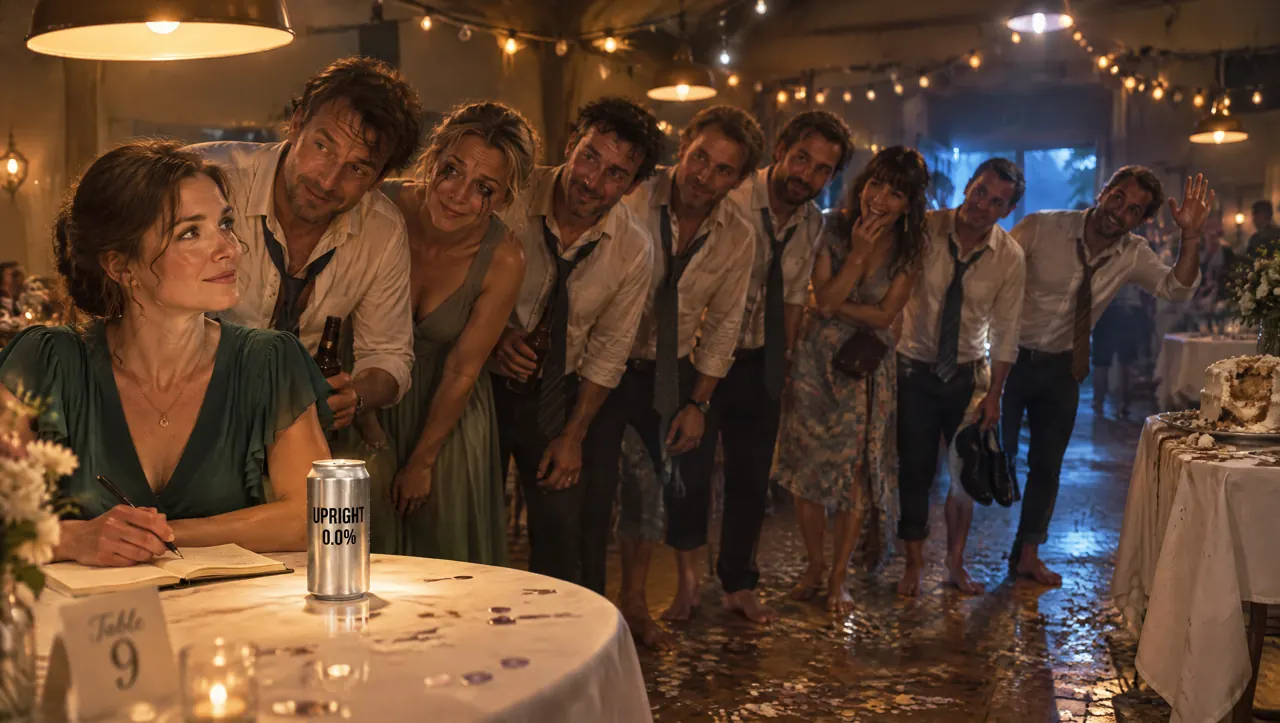
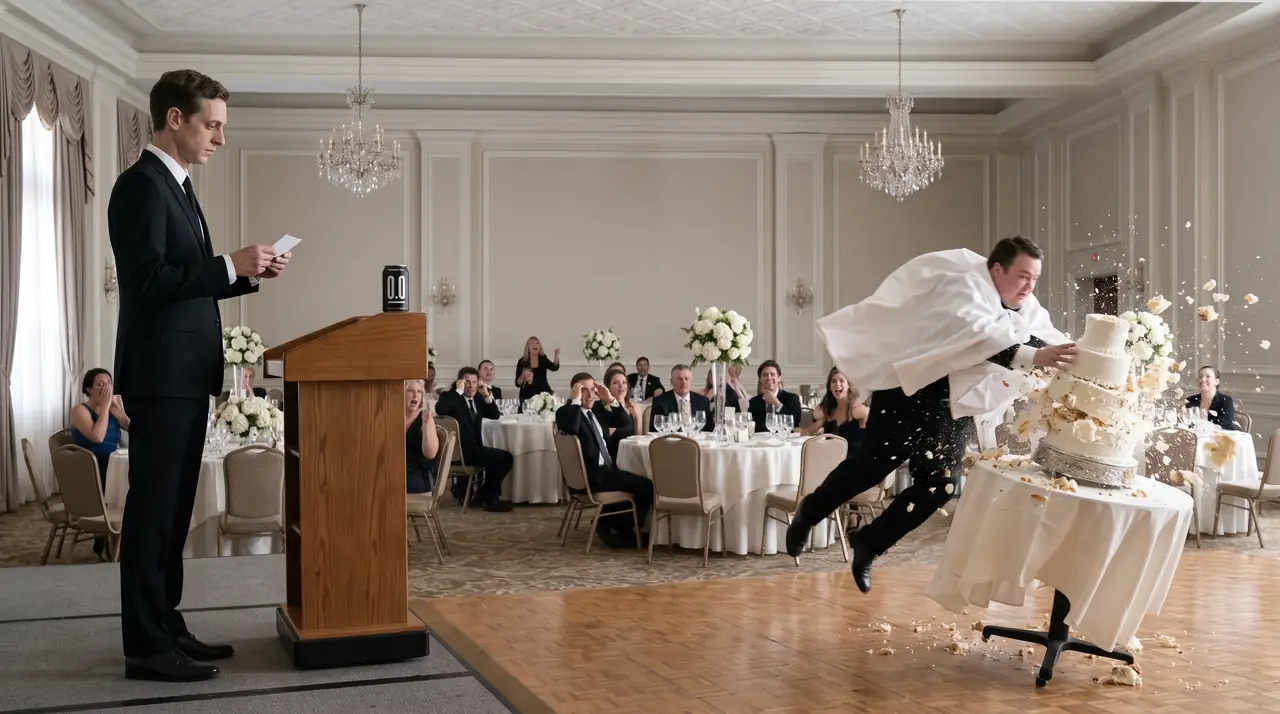
The same brand in Nutcracker: the Big Game spot and the key visuals.
Run it on your brand.
Give Nutcracker your brief and the research you have. It reads what is published about your category, names the phases in your customer’s words, and picks the barriers worth a campaign. 7 days free.
Already in? Sign in