
Creative brief.
A creative brief tells the people making an ad who it is for, what bothers them, what should change and the one thought that does it. The Get/To/By format fits that in four lines, Get, Who, To and By, with Because when the claim needs proof.
Use it when the strategy is agreed and a team is about to make one piece of work.
Straight Face
- Get
- people staying sharp tonight who are about to pour their 0.0% into a glass
- Who
- dread having to explain themselves just for skipping alcohol
- To
- hold Straight Face in the open with nothing to defend
- By
- answering “why a zero?” with a deadpan “Good question.” that turns curiosity onto the beer
- Because
- it is brewed as a full-strength lager, rested six weeks, and stripped of alcohol cold so it keeps the bite.
Sample brand, made with Nutcracker
Four lines, one sentence.
Read top to bottom, the brief is one sentence: get these people, who have this trouble, to do this, by this one move. By solves the trouble Who names, or the brief points the team two ways.
Get
The people, caught in the moment the work meets them. Someone a director could cast and light, not an age band.
people staying sharp tonight who are about to pour their 0.0% into a glass
Who
Their trouble, from their side of the table. If the line needs your brand name, it’s your problem, not theirs.
dread having to explain themselves just for skipping alcohol
Buying nonalcoholic beer gives off the impression of having a drinking problem.
r/Showerthoughts · 6,526 votes To
The one thing that should change after they see it, small enough to spot: what they do, or what they tell a friend. Sales targets go in the plan, not the brief.
hold Straight Face in the open with nothing to defend
By
The one move that answers Who: a message, a line someone says, or something the brand does. An “and” here means two briefs.
answering “why a zero?” with a deadpan “Good question.” that turns curiosity onto the beer.
Because
Optional. The one product fact that makes By believable. One fact, not the spec sheet.
it is brewed as a full-strength lager, rested six weeks, and stripped of alcohol cold so it keeps the bite.
Who made it
Get/Who/To/By is credited to BBDO New York, where planners wanted a brief the creative department would read in one go: four lines on one page. The long form, with background, objectives, tone, mandatories and deliverables, still has a place as the fact sheet. The four lines are what the team aims at.
Creative brief, comms strategy or positioning
Creative brief, Communication strategy, Positioning statement: three sizes of aim. A positioning statement says why the brand wins, for years. A communication strategy says what to say at each moment of a campaign. A creative brief aims the next piece of work: one film, one post, one poster.
Say it in one breath.
Get, who, to, by, out loud as one sentence. A line that breaks the sentence answers a different question.
Three more before you show anyone
Cover the brand
Hide your brand’s name in Who. If what’s left isn’t something a person would complain about, it’s your problem, not theirs.
Count the ands
An “and” in By is two messages. Keep one; the other waits for the next brief.
Hand it over
Give By to someone who makes ads. If they can’t sketch a first frame in a minute, it isn’t finished.
Cross these out.
Get
“Health-conscious 25–40s moderating their intake.”It gives creatives a specific physical habit and moment to stage, rather than a demographic label.
Who
“Miss the taste of real beer” or “don’t want to feel left out.”It names the social friction buyers actually feel (the interrogation at the table) instead of treating 0.0% as a taste compromise.
To
“See X as a great-tasting, guilt-free alternative.”It sets one visible behaviour creatives can aim every shot at: keeping the can out on the table.
By
“Showing it tastes just like real beer, without the hangover.”Rather than defending the choice or promising a substitute, it hands creatives the exact verbal and visual turn that moves the spotlight from the person to the can.
What the brief made.
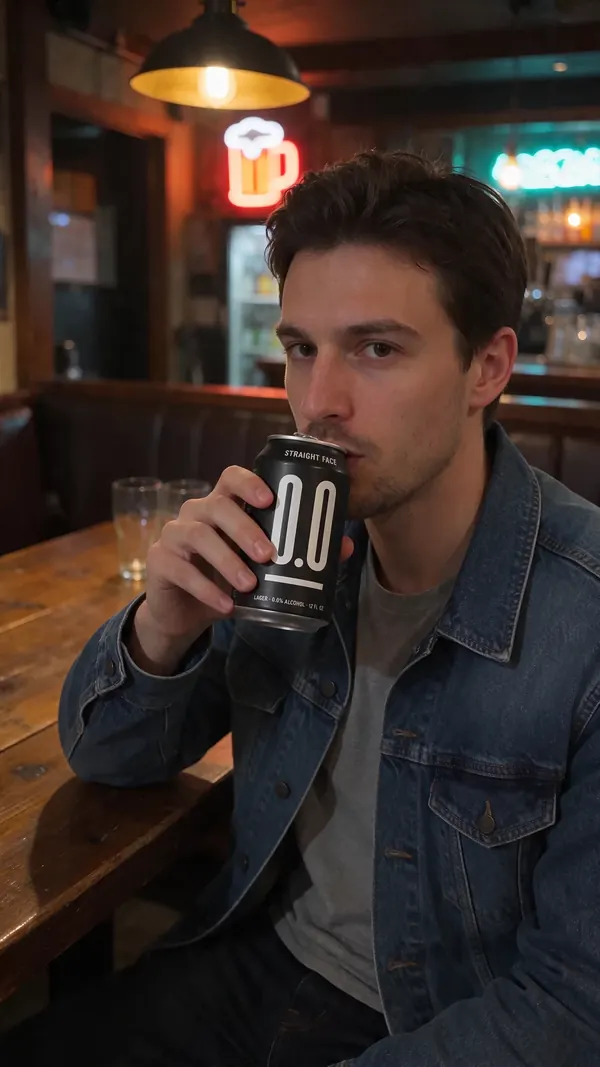
The next request in the same chat, “Now make the piece from this brief,” wrote a vertical video, “Why nobody asks about your third beer”. A later one drew its storyboard and voiced its lines; these are the frames it picked after two rounds of notes.
Hear it read · 0:06
The four lines as the storyboard voiced them, one voice per person, back to back. Unedited.
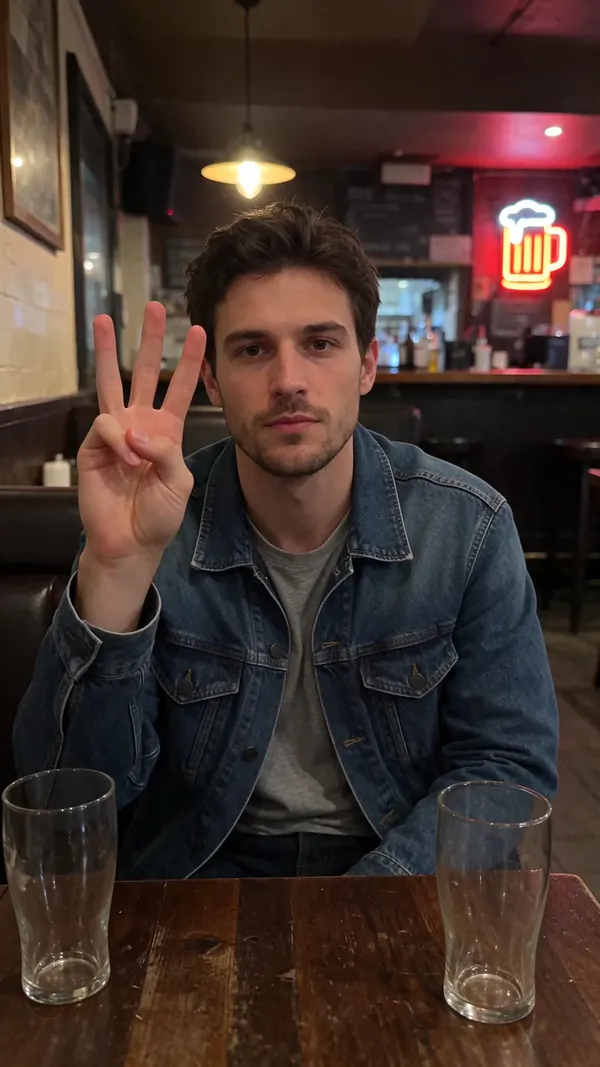
0–2s
Nobody asks why you’re having a third.
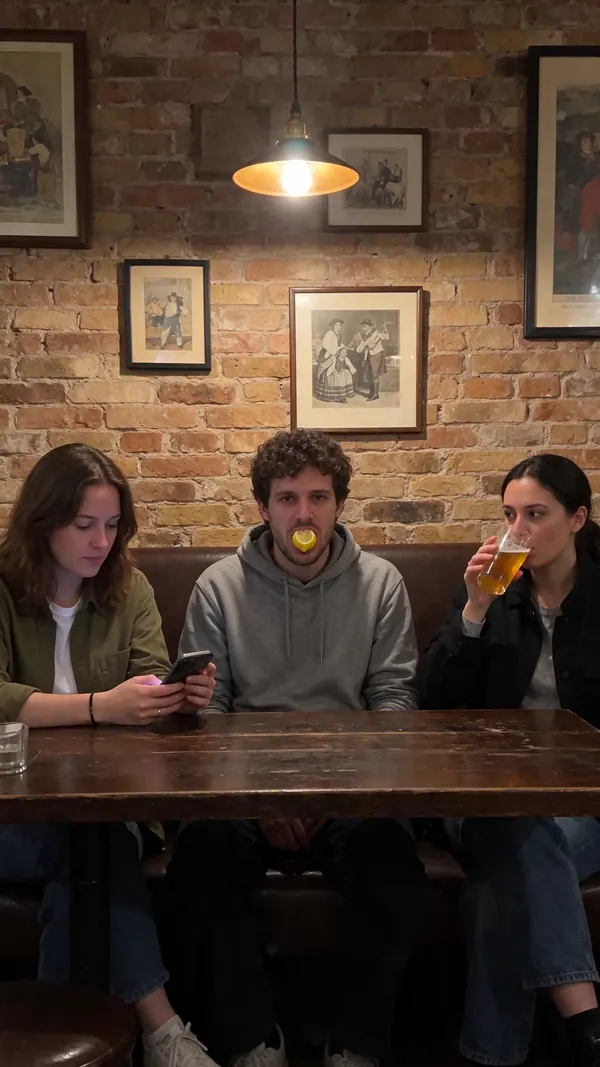
2–5s
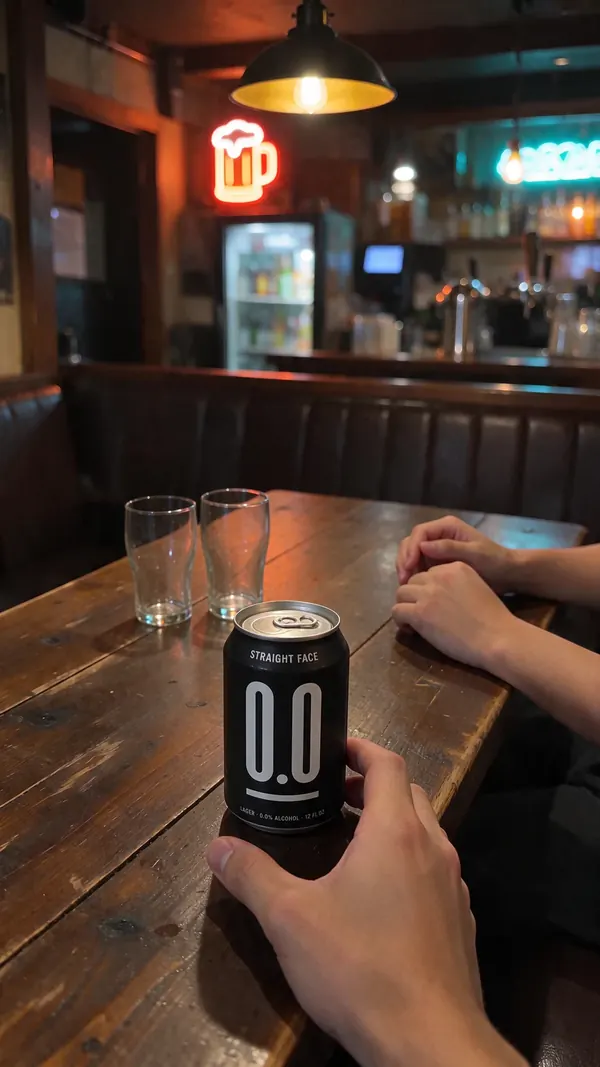
5–8s
SFX: Bar chatter drops.
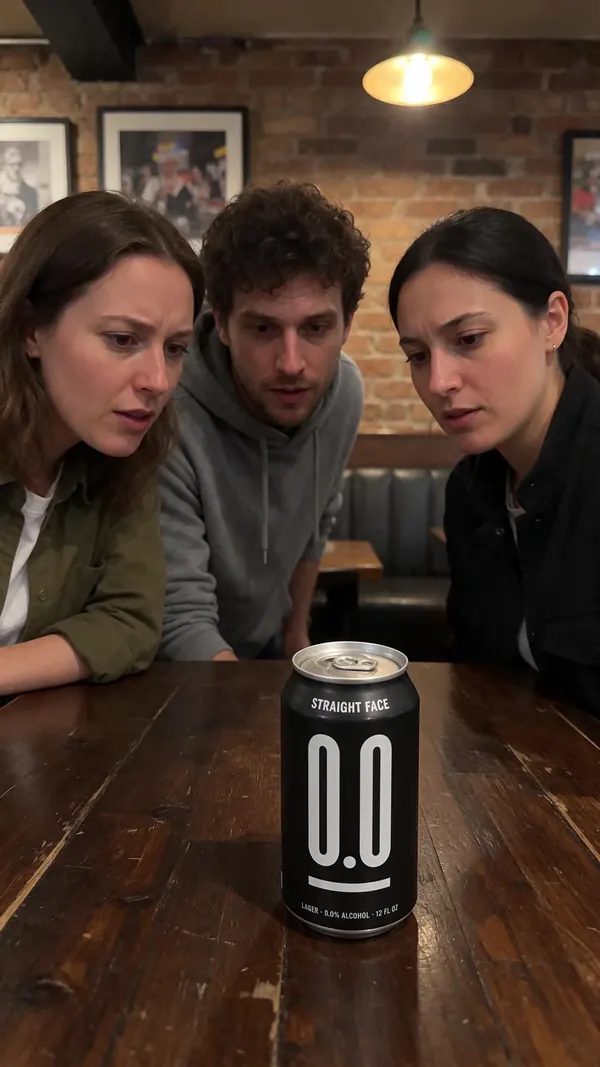
8–13s
“Wait. Why a zero?”
“Got a 7am?”
“On meds?”
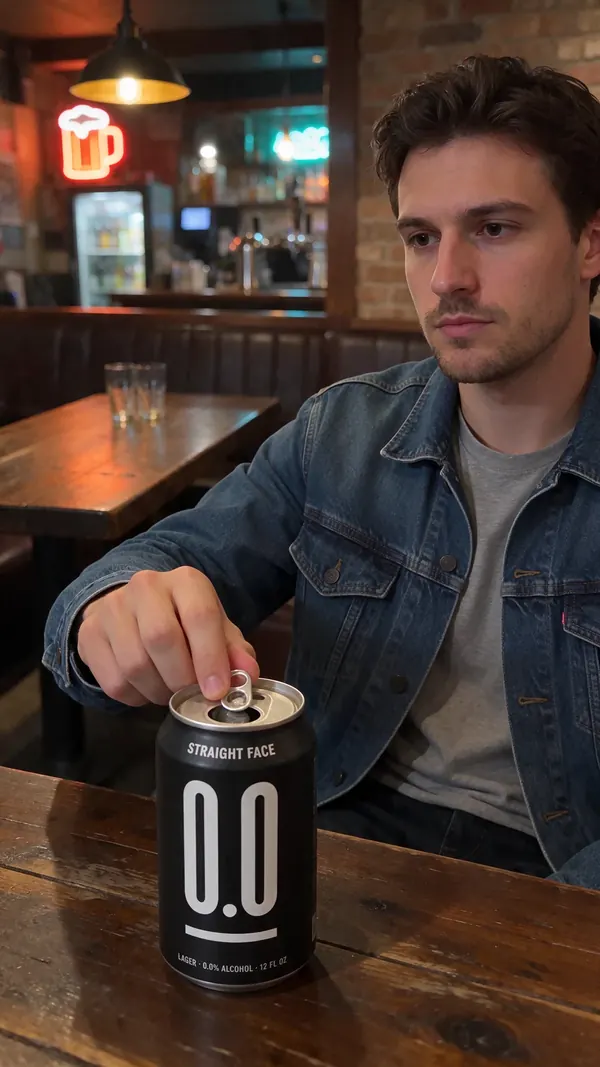
13–17s
“Good question.”
17–20s
STRAIGHT FACE · 0.0% ALCOHOL
Run it on your brand.
Give Nutcracker your strategy, or just what the piece is for. It writes the four lines, and the same chat makes the piece from them: the script, the storyboard, the frames. Ask another AI for its own take on the same brief. 7 days free.
Already in? Sign in