
Brand pyramid.
A brand pyramid puts your whole brand on one page: facts at the base, one idea at the top. Every level has to hold up the level above it.
Use it when everyone on the team describes the brand a little differently.
Straight Face
Good question.
Sample brand, made with Nutcracker
Start at the base.
Everyone wants to write the top first. Fill it from the bottom, because each level comes from the one under it.
Market
What people would do instead, in the moment they choose. Not your category as the industry names it.
Non-alcoholic beer is sold as a sacrifice, and buyers hide the can. The ads we inspected argue the reason, the occasion or the disguise, not the question.
Audience and insight
One person with a choice to make, and the thing you know about them. “Women 25–45” is not a person.
The one who stays sharp tonight and drinks on other nights. Nobody asks why you’re having a third. Everyone asks why you’re having a zero.
Buying nonalcoholic beer gives off the impression of having a drinking problem.
r/Showerthoughts · 6,526 votes Reasons to believe
Facts you could photograph or check. “Great service” is not a fact.
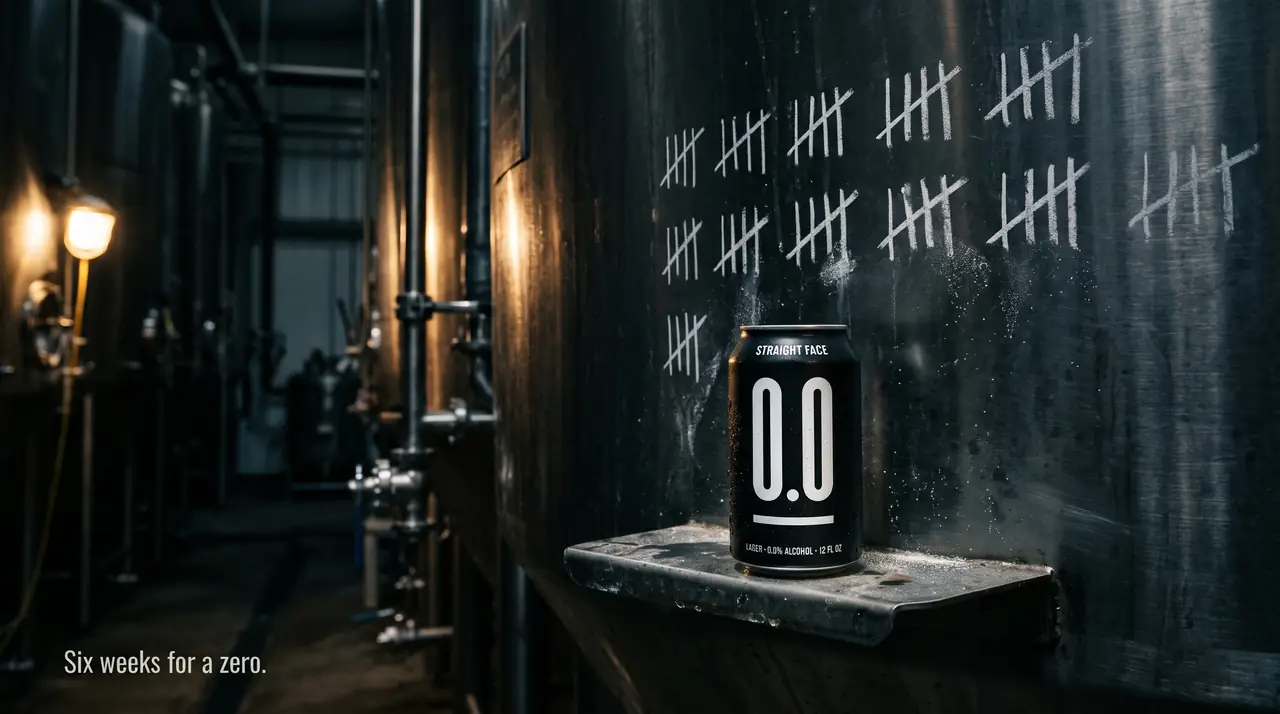
Every batch is brewed full-strength, rested six weeks, then the alcohol is removed cold, so it keeps the bite. The can is a giant 0.0.
Rational benefits
What people can now do. Take a fact from the level below, add “and that means”, and this level appears.
A lager that tastes like the real thing, at 0.0% alcohol. Nothing to hide, nothing to explain.
Emotional benefits
How people feel, or who they get to be. A brand nobody knows has not earned this yet, so write it as where you are going.
Proud to hold it. The question stops landing on you and lands on the beer.
How we behave
What the brand does and says, shown, not described. Put what others would say next to what you say.
Flat, dry, unbothered. We state and never explain. No alibi, no sacrifice language, no wellness claims, no “reason”.
Essence
The idea at the top. A few words only this brand could say. Write it last.
Good question.
Who made it
Nobody owns it. Agencies and big consumer brands have drawn it for decades, and the boxes change from company to company. Kevin Keller’s brand resonance pyramid (2001) is a different model: it describes how customers respond to a brand, not what the brand stands for.
Pyramid, key or prism
Pyramid, Brand Key, Identity Prism: the same thinking in different drawings. Pick the one your company already reads, and fill it once.
Swap the logo.
Put your closest competitor’s name on every line. If a line is still true, it isn’t done.
Three more before you show anyone
Name the cost
For each line under How we behave, name what the brand gave up to keep it. No cost, no value.
Read it upward
Say “and that means” between the levels. If you need a new fact to climb, that fact belongs lower down.
Find the decision
Name one thing the business will now do or refuse. If nothing changes, you wrote a description.
Cross these out.
Taste the moment.Good question.
Bold, authentic, friendly, down to earth.We state and never explain.
Great taste with zero compromise.Nothing to hide, nothing to explain.
Active adults 25–40 who want choice without giving up taste.Everyone asks why you’re having a zero.
What it made.
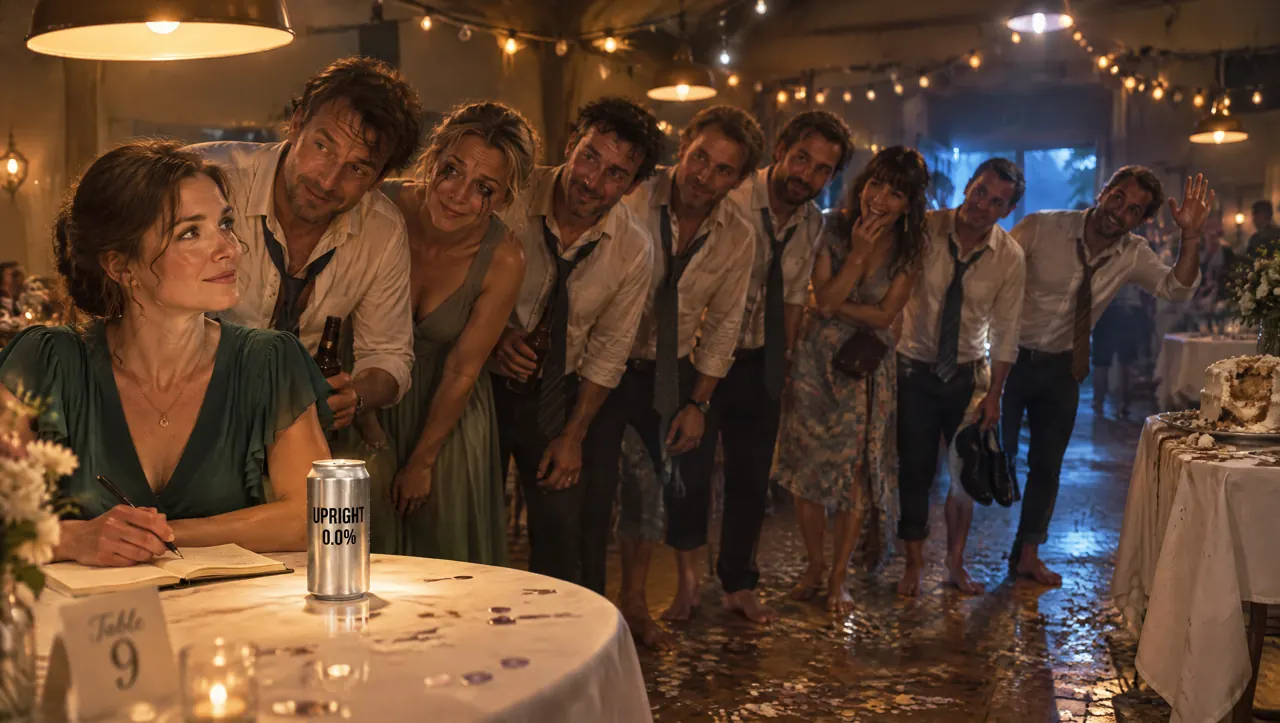
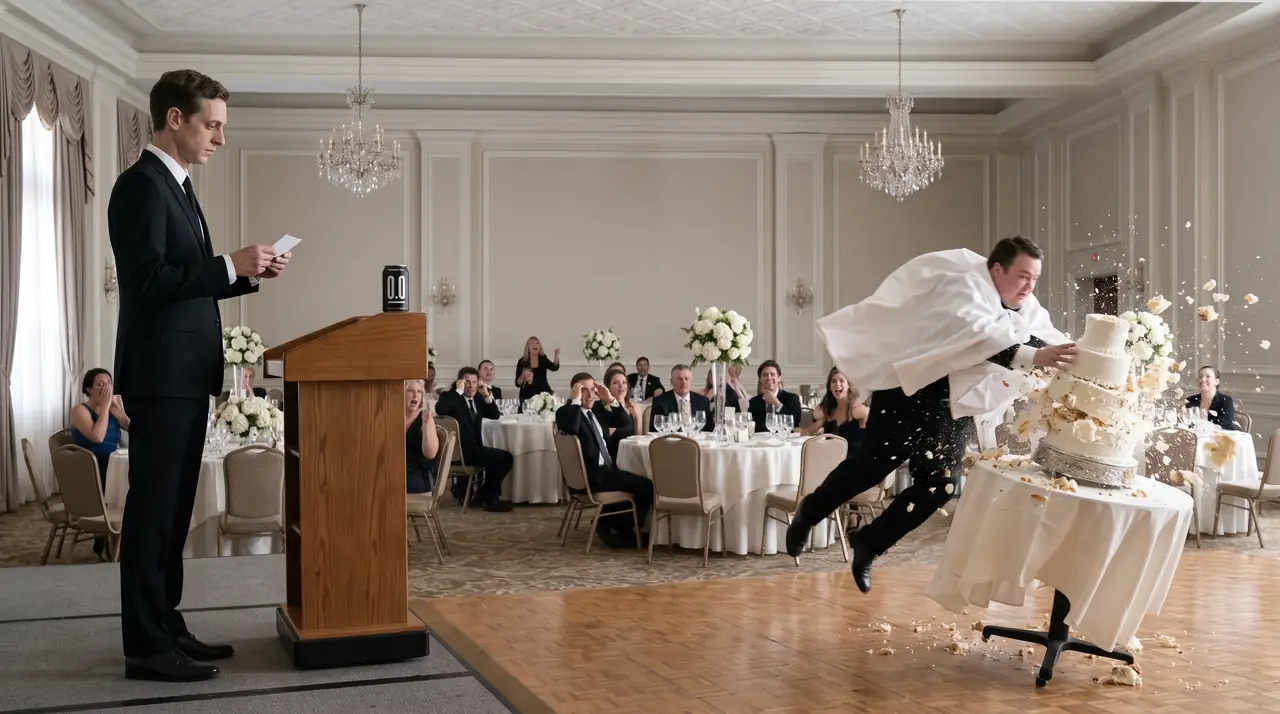
The same brand in Nutcracker: the Big Game spot and the key visuals.
Run it on your brand.
Give Nutcracker a brief. It researches the market, fills every level and tests each line, then your team takes it from there. 7 days free, no card.
Already in? Sign in