
Communication strategy.
A communication strategy says what to tell people at each moment of their journey, and where it reaches them: one barrier, one job and one place per moment. A key message repeated down a funnel isn’t one.
Use it when a campaign has several channels and one film is being asked to say everything.
Straight Face
- The objective
- Objective: people order Straight Face by name. Brand search on game night and store sales in March are the check.
- The line
- Hand them the answer before the question lands
- The rows
- Not tonight → At the shelf → Out with people → The first can to the second six-pack
- What stops them
- That shelf is for people who’ve quit. I’m not one of them.
- What we say
- Move the zero into the beer set, so the can is read at three metres with nothing explained.
- Where it lands
- Lager aisle in the 3,000 stores, retailer search results, the shot at thumbnail size
- What depends on what
- The bar plan depends on budget: a bartender briefing and back-bar space in even a few hundred accounts is cheap, and it decides if the line works out loud.
Sample brand, made with Nutcracker
One message per moment.
The usual grid gives every stage one sentence about the product, said by the brand. Give each moment its own barrier, its own job and its own place, so no single piece has to say four things.
The objective
What people should do, and the number that will show it. One line above the table.
Objective: people order Straight Face by name. Brand search on game night and store sales in March are the check.
The line
The one thought every row serves, in the brand’s words. Before a creative idea exists it is the strategy’s promise; once the idea exists, rewrite every row in its words.
Hand them the answer before the question lands.
The rows
The moments your customer really goes through, three or four. With a journey map, its phases; without one, the stages your team already plans in. A row is one person at one moment.
Not tonight → At the shelf → Out with people → The first can to the second six-pack
What stops them
Their reason for not moving on, in their words. “Low awareness” is your problem, not theirs. The same barrier on every row means you have one barrier and three channels.
That shelf is for people who’ve quit. I’m not one of them.
Buying nonalcoholic beer gives off the impression of having a drinking problem.
r/Showerthoughts · 6,526 votes What we say
The message’s job against that barrier, starting with a verb, above any format: “run a TikTok” is a tactic. Never “drive awareness”: that is what the business wants, not what a message does.
Move the zero into the beer set, so the can is read at three metres with nothing explained.
Where it lands
Channels that reach enough of these people at this moment and fit the message. Media already bought goes in first; a row no bought channel reaches is named as a gap.
Lager aisle in the 3,000 stores, retailer search results, the shot at thumbnail size
What depends on what
Under the table, at most three plain lines: a channel that depends on budget, a row where the research is thin.
The bar plan depends on budget: a bartender briefing and back-bar space in even a few hundred accounts is cheap, and it decides if the line works out loud.
Who made it
The oldest form of the question is political scientist Harold Lasswell’s, from 1948: who says what, in which channel, to whom, with what effect. A communication strategy asks it once for every moment of the customer’s journey, not once for the whole campaign.
Communication strategy, media plan or messaging framework
Communication strategy, Media plan, Messaging framework: three different jobs. A media plan buys the space: where, when and how much. A messaging framework lists what the brand says about itself, to anyone. A communication strategy decides what to say at each moment, and where it has to land.
Read the rows aloud.
Does each sound like one person at one moment, not a marketer at a desk?
Three more before you show anyone
Cover the channel
Would a creative team know what to make from the barrier and the job alone?
Ask the planner
Can your media planner say why each channel is on its row? If not, it’s a list of buys.
Find the second message
A row that says two things has one too many. Give it its own row, or let it wait.
Cross these out.
Not tonight
“All the taste, none of the alcohol.”That explains by denying, which is the “almost beer” frame. Ours leaves the room with a face to look at and a question to ask.
At the shelf
“Brewed full strength, rested six weeks, alcohol taken out cold.”The barrier isn’t doubt about the method, it’s being seen buying from the quitters’ shelf. A brewing story can’t answer that.
Out with people
No row for it. The nearest is a purchase line: “Ask for it by name at the bar.”That’s a call to action to read. This message has to be said out loud, by the buyer, in front of friends, and its first audience is the bartender.
The first can to the second six-pack
“Subscribe and save”, or a club with perks.Price is the stated barrier, so a discount agrees the zero is worth less. Here the liquid argues first.
What it made.
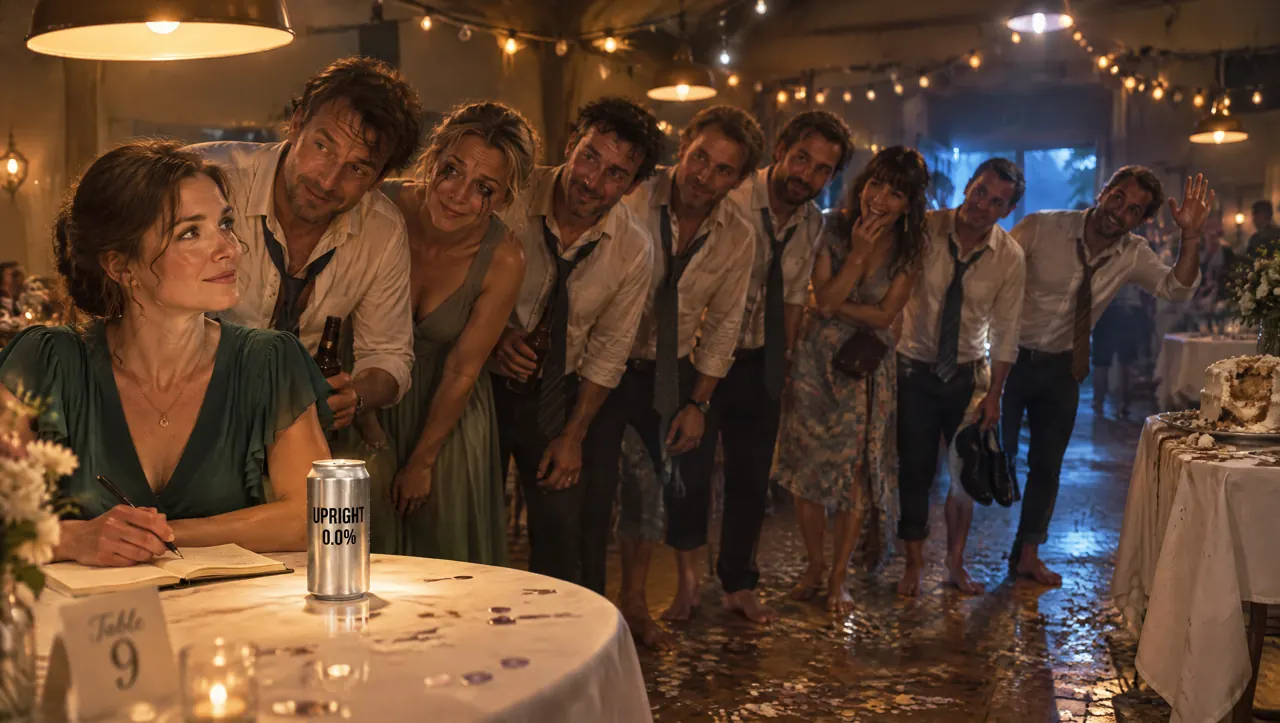
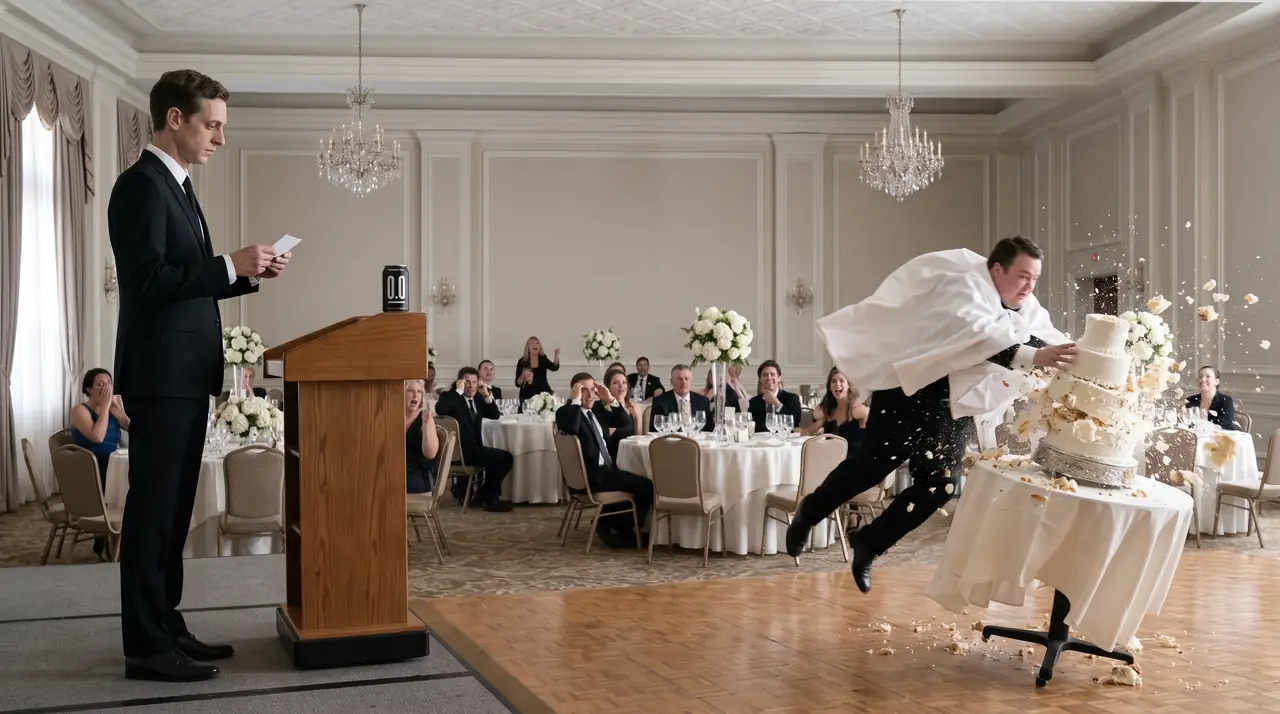
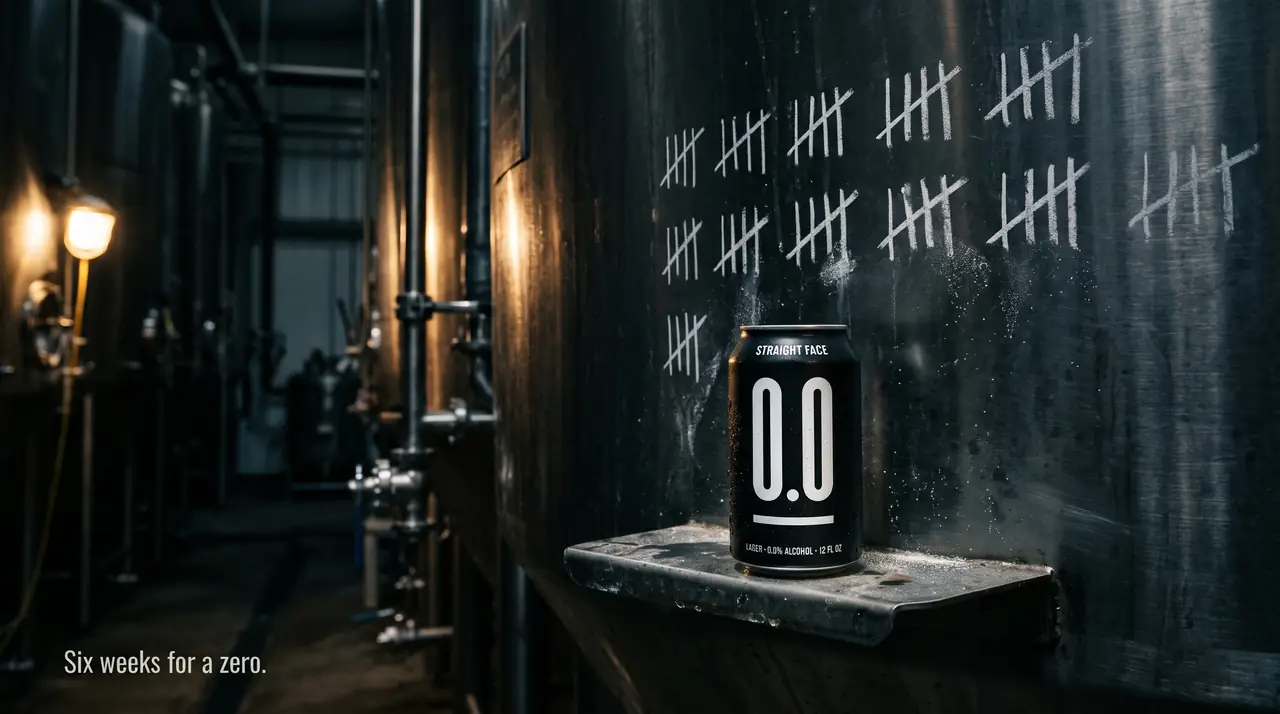
The same brand in Nutcracker: the Big Game spot and the key visuals.
Run it on your brand.
Give Nutcracker your strategy and your journey map, or just the brief. It finds what stops people at each moment, gives every row one job, and places the channels you have bought. 7 days free.
Already in? Sign in